Issue 2: Vedic Inoculations and the Speckled Monster Virus [Part 1 of 2]
LONG LONG AGO,
IN ANCIENT INDIA – THEY SANG A PRAYER FOR GOOD HEALTH and FORTUNE TO ALL
A benediction from the Brihadraranyaka Upanishad (a philosophical treatise on man, mind and mortality, circa 10th to 5th century BCE, Ref. 5) went as follows:
‘Om sarve bhavantu sukhinaH,
Sarve santu niraamayaH
Sarve bhadraaNi pashyantu
Maa kashchit duHkhabhaak bhavet
OM shaantiH shaantiH shaantiH!’
May all attain peace, may all be healthy – may all enjoy good fortune, may none suffer misery and sorrow. Om !! Peace Peace Peace.”(Ref.1)

AND NOT SO LONG AGO – FEBRUARY 2020
ACROSS THE WORLD – A TRAGIC HEALTH DISASTER ENTRAPPED ALL
…………The dreaded virus from Wuhan – SARS-CoV-2 unleashed death and mayhem on an unprepared world, unsuspecting, caught unawares, while a massive Greek tragedy unfolded, shattering families forever, and turning the world upside down. Lifestyles changed, businesses wound down, national economies were forever challenged.
Daily headlines screamed doom and despair.

While the Wuhan virus continued to wreak havoc, we all now know how it was slowed down by the development of specific antiviral vaccines globally to combat it head on.
In a small measure, a humble, unprepossessing nation which never claimed the mantle of a beacon, tackled its own problems because it was denied assistance by powerful countries seeking to conserve their resources for their own people.
Spurred by concerns for its own huge overcrowded population which could ill afford illness, let alone deaths, and for which the global vaccines would be unaffordable, India pulled up Her socks and began to deliver. Her triumph over many other epidemics in the past (cholera, plague and polio), gave Her courage and She persevered, backed by an indomitable administration and a dedicated healthcare system, a highly respected medical research capability, and a well developed biotechnology sector.
The rest is History.
India managed to protect Her people.
And …..
DARE I say this? the DEVELOPED World was astonished, incredulous and taken aback.
If only the World had acknowledged over Times immemorial, how India had often blazed trails, and in Her own humble way illuminated a path to a solution for disaster, perhaps there would NOT have been such incredulity.
India had never been a stranger to the concepts of microbes, infections, immunity and prevention of disease, since centuries before they were enunciated in the West – before PASTEUR, JENNER and others.
DO YOU KNOW? WERE YOU EVER TOLD?
VEDIC PHYSICIANS UNDERSTOOD AND TACKLED A GLOBAL KILLER VIRUS, EVEN MORE DEADLY AND FAR WORSE THAN THE WUHAN VIRUS.
This virus had desecrated countries, decimating some populations by over 90%, succession chains of Royal families had been disrupted, wars were lost, civilisations destroyed, and survivors were reduced to wrecks crippled with blindness, and shunned for their grotesque ugliness.
IT SPARED NO ONE….PRINCES AND PAUPERS, YOUNG AND OLD, MEN AND WOMEN, FARMERS AND SOLDIERS, ALL WERE STRUCK DOWN ….. AND SHATTERED.
What then was this dreaded deadly virus?
IT CAUSED A DREADFUL DISEASE, and was NAMED THE SPECKLED MONSTER FOR ITS DISASTROUS EFFECTS ON THE HUMAN BODY, (Ref. 30)
Just consider this recent comparison……
“More contagious than Covid-19 and with a 30 percent mortality rate, ……. one of history’s biggest killers.”
……….. the World Health Organization estimated this Thursday that the global death toll (of Covid 19) is around 15 million……. the history of infectious disease has a grim message: It could have been even worse. That appalling death toll resulted even though the coronavirus kills only about 0.7 percent of the people it infects. Imagine instead that it killed 30 percent — and that it would take centuries, instead of months, to develop a vaccine against it. And imagine that instead of being deadliest in the elderly, it was deadliest for young children.
THAT’S SMALLPOX.” (Capitalisation is mine: author)
“….. in the 20th century alone it is estimated to have killed between 300 million and 500 million people (Ref.29)
HAVE I SURPRISED YOU AGAIN? VEDIC INDIA TACKLING A KILLER VIRUS? BEFORE THE DAYS of PASTEUR KOCH and LISTER? CREDIBLE?
Let me then begin at the beginning…… travelling back in Time
WHERE then DID SMALLPOX ORIGINATE?
Just like the Wuhan virus, smallpox virus too had jumped from animal reservoirs to humans.
Elaborate studies recently have supported the hypothesis that the smallpox virus was related to “taterapox”, found in the African gerbil (a small rodent). Travellers across African deserts used camels for transit, and the virus is believed to be also related to the camel pox (Ref. 4).
“…………….. believed to have appeared around 10,000 BC, at the time of the first agricultural settlements in northeastern Africa [10, 11]. ………. it spread from there to India by means of ancient Egyptian merchants. ………. The mummified head of the Egyptian pharaoh Ramses V (died 1156 BC) bears evidence of the disease [12]. ……………. smallpox was described as early as 1122 BC in China and is mentioned in ancient Sanskrit texts of India.” (Ref. 19, 30)
SMALLPOX WAS WELL KNOWN TO VEDIC PHYSICIANS OF ANCIENT INDIA.
Having gained entry into India and thus into the populace, smallpox was naturally a subject of study of physicians practising at the time. India had a truly well developed system of healthcare in place, reputed to have been admired even by the Greek physicians revered in the West. Arab medicine also learned from India, and exchange of ideas was not unknown.
DID YOU KNOW?
Interestingly, the very word “virus” has its roots not only in the Greek word “ios” but also in the Sanskrit word “visham” meaning ‘poison’(Ref. 26,27).
“The disease was present in India for many thousands of years; ……” (Ref.: 3).
“Holwell (1767), a physician of the British East India Company….. suggested that smallpox had existed in India from “time immemorial”, and stated that it was mentioned in the most ancient Sanskrit writings, the Atharva Veda.” (Ref.: 13).
Vedic physicians had a very clear concept of microbes and differences in body response to them- what we understand as immunity, MUCH BEFORE THESE concepts were PROVEN IN THE WEST, which happened around the 19th Century CE.
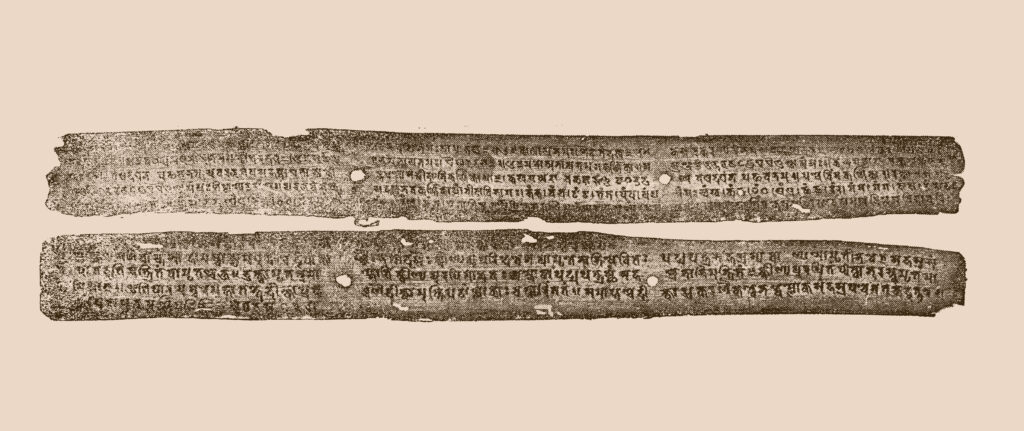
“The earliest recorded knowledge about Ayurvedic medicine is from the 2nd millennium B.C.E” (Ref. 9).
“Both the Rgveda and the Atharvaveda point out that diseases are caused by congenital factors (ksetriya) or infection or seasonal change, or by minute organisms or insects (Krumi) residing in the body.” (Ref.: 33).
“The Krumi (microorganism or bacteria) and their role in the cause of several infectious diseases have been recognized since Vedic period and elaborated in Ayurveda. There are many references pertaining to bacteria in ancient literature such as Rigveda, Atharvaveda, Satapadha-Brahmana, Taittireeya Upanishad, Aranyaka, Chandyogyopanishad, …………. etc. ………… The references in Vedas for microbes and infectious diseases are in the name of Krumi and Krumi Rogas.………“ Ayurveda, the science of life, based on principles routed from Vedas ….. had been divided into 8 branches by Sushruta in 5th century B.C.
Bhuta (microbes) Vaidyam (Vidya) (13) is one among them that mimics present day bacteriology.”(Ref.: 6).
Thus, Vedic physicians were aware of invisible disease causing agents which we know as microbes today, and also understood their transmission through breath and contact which we know as spread by inhalation and contagion.
“The Samhitas speak of organisms that circulate in the blood, mucus, and phlegm. In particular, the organisms in the blood that cause disease are said to be invisible. It is suggested that physical contact and sharing the same air can cause such diseases to spread.” (Ref. 17).
Interestingly, SMALLPOX is TRANSMITTED THROUGH THE BREATH and CONTACT.
Microbes were classified as being natural or infection producing. Infection producing were in turn classified as visible or invisible, which is truly admirable as a concept developed without the help of inventions such as the MICROSCOPE.
Vedic concepts of immunity were also similar to the contemporary thinking of today
“One of the therapeutic strategies in Ayurvedic medicine is to increase body’s natural resistance to the disease causing agent rather than directly neutralizing the agent itself……” (Ref.: 7).
This principle is nothing but preventive improvement in immunity of the body, the same principle used for immunization.
HOW INOCULATION WAS BEGUN – UNDERSTANDING THE BENEFITS OF INDUCING A MILD FORM OF DISEASE
It was therefore only a matter of time before thinking physicians of the day applied their minds to finding a solution for tackling the killer disease of smallpox.
Effective treatments were not known inspite of extensive searches or efforts at trial and error.
The only hope seemed to be to try to PREVENT a SERIOUS form of the disease.
It had been observed that if a mild form of the disease affected a subject, then this would provide him/her lifelong protection from the disease, possibly saving life itself. Since it was known that the disease spread from person to person, it should be possible to induce the mild disease from a patient suffering a mild form of the disease to a willing disease free subject who wanted lifelong protection.
“It was common knowledge that survivors of smallpox became immune to the disease. As early as 430 BC, survivors of smallpox were called upon to nurse the afflicted (8). Man had long been trying to find a cure for the “speckled monster.”
……. the most successful way of combating smallpox before the discovery of vaccination was inoculation. The word is derived from the Latin inoculare, meaning “to graft.” Inoculation referred to the subcutaneous instillation of smallpox virus into nonimmune individuals. The inoculator usually used a lancet wet with fresh matter taken from a ripe pustule of some person who suffered from smallpox. The material was then subcutaneously introduced on the arms or legs of the nonimmune person. The terms inoculation and variolation were often used interchangeably.” (Ref. 32).
“Inoculation was practiced for protection against smallpox.” (Ref. 17)
INOCULATION WAS COMMONLY USED IN ANCIENT INDIA and saved multitudes of lives from smallpox.
“The inoculation, ‘the process of injecting an infective agent in a healthy person, which leads to often mild disease and preventing that individual from future serious disease’ was common in India12. Inoculation with smallpox virus material called variolation preceded smallpox vaccination and was one of the accepted approaches to protect from the disease” (Ref. 22).
“William Ward (1769-1823) notes: “Inoculation for the small pox seems to have been known among the Hindoos from time immemorial.” ……. Inoculation is performed, in general, in childhood but sometimes in riper years. Some few die after inoculation, but where the disorder is received naturally, multitudes perish.” (Ref. 36).
“An attack of small pox conferred immunity from this dreaded disease for Life. In Ancient India and in Ottoman Turkey attempts at prevention and protection took the form of variolation, wherein a very small amount of material of a patient’s pox was scarified into the skin or inserted into the nose of a healthy individual…… The aim was to produce mild disease without inviting a full attack of the hideously deforming pox.” (Ref.: 35).
Thus, the wise Ancient Indian physicians learned how to successfully prevent a severe form of the disease by the use of inoculation with material from an infected person. This was of particular importance when an epidemic of smallpox raged, protecting individuals and slowing down spread of the disease.
“Judging from the written records, epidemics and illnesses must have been frequent throughout India’s history …. Cholera, smallpox, typhoid fever….. Smallpox was countered by inoculating people with pus from a smallpox skin boil by puncture or scarification to prevent the full blown illness.” (Ref. 24).
“In India, variolation took several forms, the most common of which was the application of scabs or pus from a person with smallpox to the intact or scarified skin of a healthy person (30). ……… The technique of variolation was spread by the caravaners (merchants traveling by caravan to sell their wares); for these persons, protection against smallpox was obviously a great advantage.” (Ref. 2).
The practice of inoculation THUS ORIGINATED IN THE FAR EAST, namely India and China, and spread with trader caravans to the Middle East, and again, from there TO THE WEST.
“The earliest records of inoculation all describe it as an attempt to eliminate smallpox from China ….. “Some argue, however, that India developed true inoculation first, since India used needles before China did.” (Ref. 23).
“From the Far East the practice spread to the Near or Middle East and here there enters on the scene one of the most remarkable individuals in the history of preventive medicine, Lady Mary Wortley Montague, who was the wife of the British Ambassador to Turkey…… she learned of the practice of ‘variolation’, which was a well organized procedure in Constantinople at the time…. on return to England she set about persuading influential people to accept variolation in this country (Ref. 10)
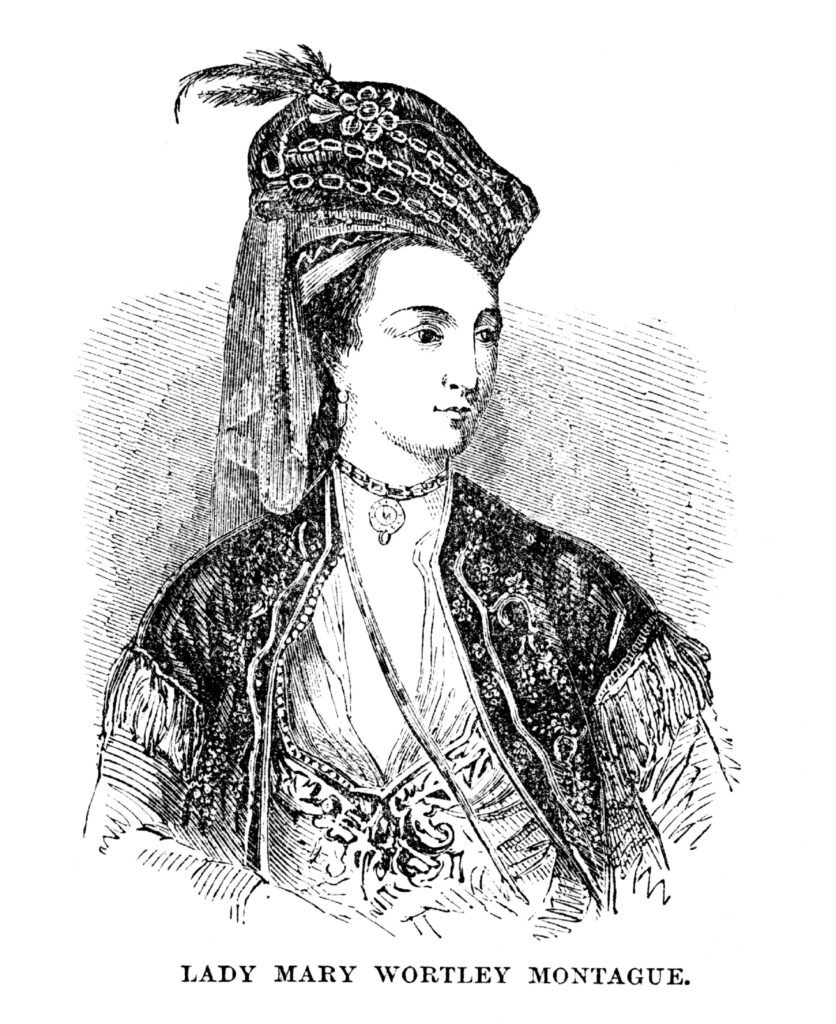
INOCULATION AGAINST SMALLPOX DEVISED BY VEDIC PHYSICIANS, HAD THUS REACHED THE WEST. HOW WAS IT RECEIVED?
“…… Variolation was practised for over a century in England before being made illegal in 1840 and although there are no reliable records available for morbidity and mortality from smallpox in this country before 1870, variolation probably played some part towards controlling the disease”. (Ref. 10)
THUS, AN ANCIENT INDIAN METHOD OF PROTECTING UNINFECTED SUBJECTS FROM A SERIOUS FORM OF SMALLPOX BY INTRODUCING A MILD INFECTION TO CONFER LIFELONG PROTECTION TRAVELLED BY TRADE ROUTES TO THE WEST.
In the next instalment, we will see how smallpox ravaged the entire World, how the West finally accepted being inoculated, and how India continued to use inoculation to prevent serious epidemics of smallpox.
In England, one individual inoculated in his childhood, went on to improve upon the method, and fought, pleaded, convinced, and finally was vindicated much after his death, when his improved method , called VACCINATION, FINALLY ERADICATED SMALLPOX COMPLETELY FROM THE WORLD.
“In science credit goes to the man who convinces the world, not the man to whom the idea first occurs.
—FRANCIS GALTON” (Statistician, thinker and philosopher). (Ref.32)
But, if one has to learn from History, it must be acknowledged that INOCULATION, the innovation of the Ancient Vedic Sages and Physicians helped PAVE THE WAY for future improvements, to save the world from the SPECKLED MONSTER.
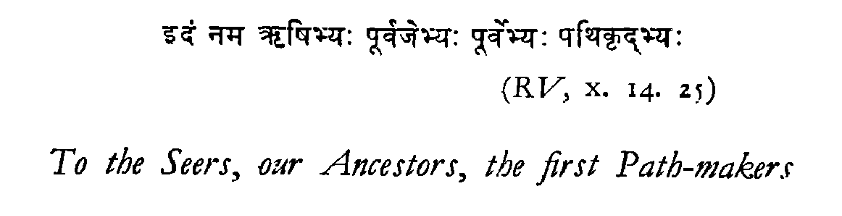
Quoted in “History of Hindu Mathematics, A Source Book, Parts I and 2”, by Dutta , B. and Singh A.N., 1935, published by Asia Publishing House, Calcutta, copyright 1938.

PART 1 of ISSUE 2, VOLUME 1, IS DEDICATED TO
OUR ANCIENT SAGE-PHYSICIANS, OUR ANCESTORS (including my late father G.K.KAMAT, microbiologist and thinker whose upbringing shaped my scientific curiosity), and to the TRAIL BLAZERS AND SEEKERS OF ANSWERS of India who have very often led the way FOR THE WORLD.
AUTHOR’S NOTE:
The complete list of references is appended at the end of Part II of Issue 2, Volume 1, which follows.

DIlip Kulkarni
A wonderful post albeit a bit long one.
Do enlighten us and the younger generation so that they are not enamored by the western propaganda.
Jayshree Ravi
Excellent post Dr. Sharma. I learned a few things today that I did not know of. Your post highlights the depth of your research and knowledge coupled with excellent writing skills. Looking forward to more of your posts.
Arun Nanivadekar
The fact that variolation preceded vaccination is important. It once again underscores the impact of convincing people of an idea in addition to just thinking of it. Every discovery and invention needs to be effectively marketed, that is, sold to its beneficiaries.
Sanjiv Mengle
Absolutely amazing research. Ancient knowledge shared so appropriately. Waiting for more ! 🌹💖🙏
S Chandrasekhar
Your blogs are precious. Such a useful source of learning, specially of our ancient knowledge & skills, in the field of medicine. More importantly they inspire. They are perhaps a tad too long & technical. Laymen like me may find it tough to read & grasp. But to a student? Your blogs are gems. Keep writing more. Best wishes!
Dr. Sucharita Nanivadekar
A beautifully written article that highlights the fact that ancient Indian Physicians used ” variolation” in healthy individuals to prevent small pox. However, they worked silently and without fanfare and passed on this technique to Middle East and West Asia and ultimate credit went to Jenner of England as father of vaccination though our physicians practiced it for 2000 years before him.
Dr.Pushpa Naphade
Excellent article,Usha.
Learned quite a few things about the Vedic knowledge about Smallpox.
Your writing is easy flowing and you make the topic quite interesting..
As usual , it reflects your thorouness in research.
Looking forward to many such enlightening articles.